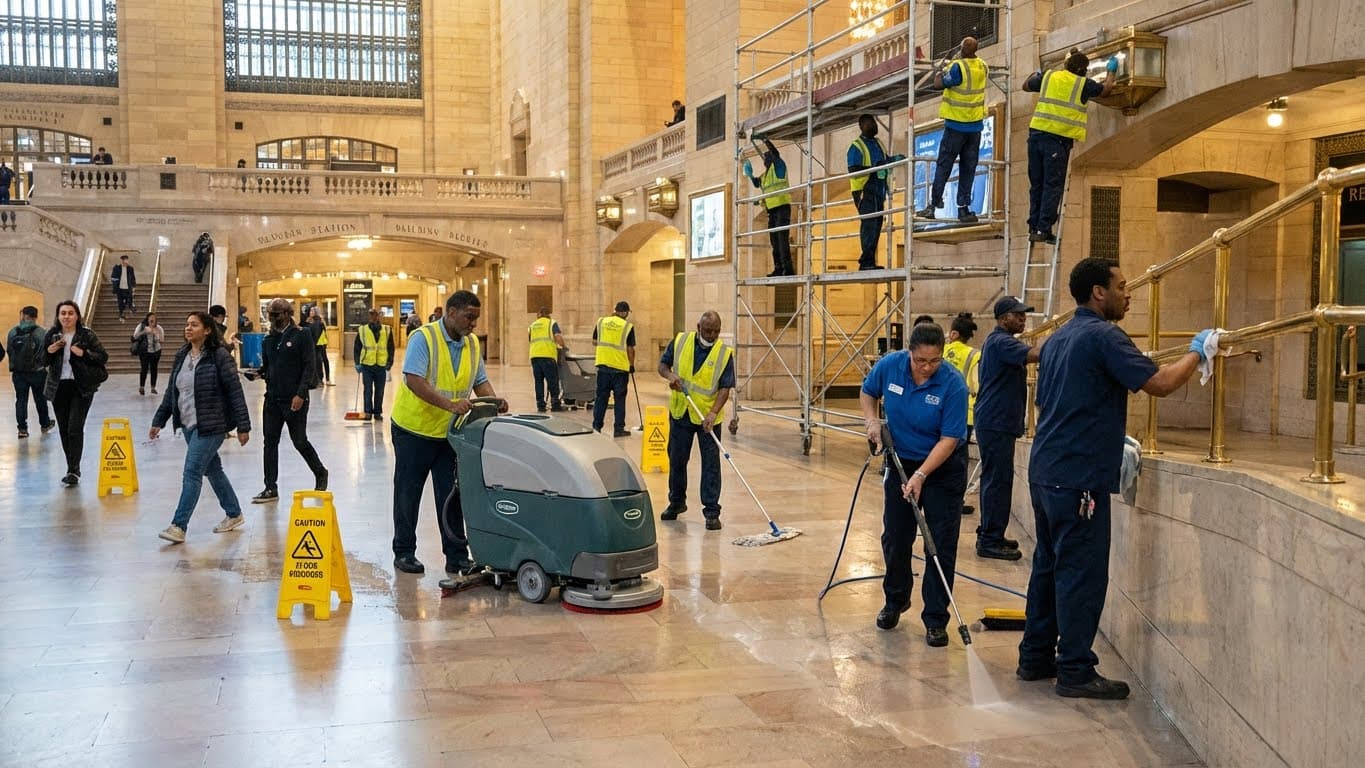
Starting a Cleaning Company? Here is Your Complete Business Plan
A comprehensive guide to creating a cleaning company business plan with market analysis, operational strategy, and financial projections.
Launching a successful venture requires more than just high-quality supplies and a strong work ethic. You need a structured roadmap to navigate the competitive US service market and secure necessary funding. This guide provides a comprehensive framework for your cleaning company business plan to ensure long-term profitability.
Why Do You Need a Formal Cleaning Business Plan?
A well-crafted cleaning business plan serves as your foundational blueprint for growth. It clarifies your mission, identifies your target demographic, and outlines your path to revenue. Banks and the SBA typically require this document before approving any small business loans or lines of credit.
Writing your strategy forces you to confront potential obstacles before they impact your bank account. You will define your unique value proposition and set measurable benchmarks for success. This preparation transforms a simple idea into a scalable commercial cleaning strategy.
What Should Your Executive Summary Include?
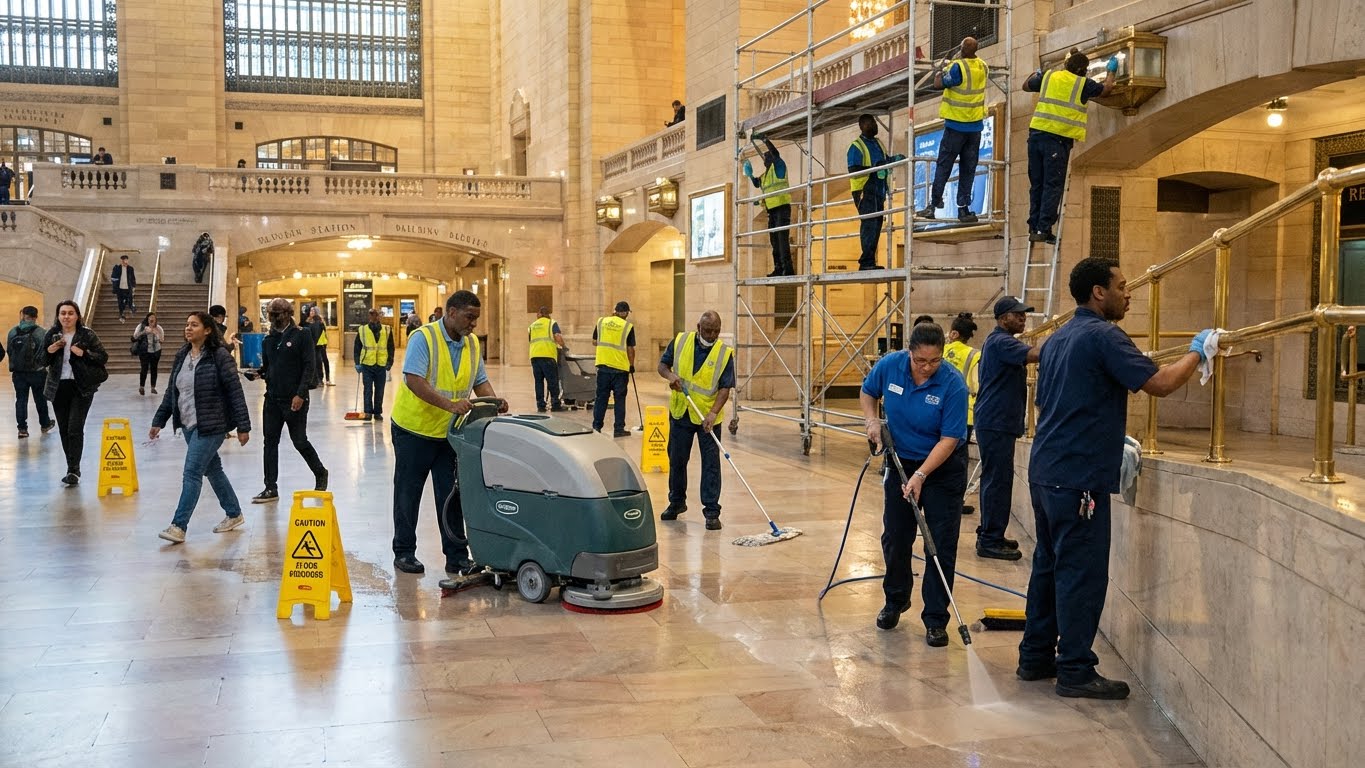
The executive summary offers a high-level overview of your entire cleaning business startup. You must articulate your company name, location, and the specific services you intend to provide. Highlighting your leadership team’s experience establishes immediate credibility with potential investors.
Keep this section concise and compelling to capture interest quickly. Clearly state your funding requirements in USD to show financial transparency. A strong summary invites the reader to explore the technical details of your janitorial service plan.
How Do You Conduct a Market Analysis?
Success depends on your understanding of the local economic landscape. You must research the demand for residential versus commercial services in your specific region. Analyze your competitors to identify gaps in their service offerings or pricing structures.
The SBA provides excellent resources for demographic data and industry trends. Use this information to define your ideal client profile and geographic reach. A data-driven market analysis proves that your cleaning company business plan rests on a solid foundation.
What Is Your Commercial Cleaning Strategy?

Your operational strategy dictates how you will deliver consistent results to your clients. Define your service menu: whether you focus on medical offices, retail spaces, or post-construction cleanup. Each niche requires specific equipment, specialized training, and unique safety protocols.
Outline your marketing plan to explain how you will acquire and retain customers. Consider digital advertising, local networking, and referral programs to build your brand. A robust strategy ensures your cleaning business startup gains traction in a crowded marketplace.
How Do You Build a Reliable Operations Plan?
Efficiency is the cornerstone of any profitable janitorial service plan. Describe your hiring process, employee training programs, and quality control measures. You must also detail your supply chain management for chemicals, tools, and protective gear.
Incorporate technology to streamline scheduling, billing, and customer communication. Using modern software reduces administrative overhead and improves the client experience. Clear operational procedures allow your business to function smoothly as you scale your team.
What Are the Financial Requirements for Success?
Your financial section must include a detailed startup cost analysis and a three-year cash flow projection. Account for insurance, licensing, equipment, and initial marketing expenses in USD. Provide a clear "break-even" analysis to show when the company will become self-sustaining.
Investors look for realistic profit margins and a clear plan for debt repayment. Update these projections regularly to reflect actual performance and market shifts. Accurate financial planning protects your cleaning company business plan from unexpected economic downturns.